Speak with Marcus
Share your nursing background, education status, specialty, anticipated start date, and graduation timeline.
HPSP
Explore Army HPSP options for advanced nursing students seeking education support and future service in Army medicine.
Program overview
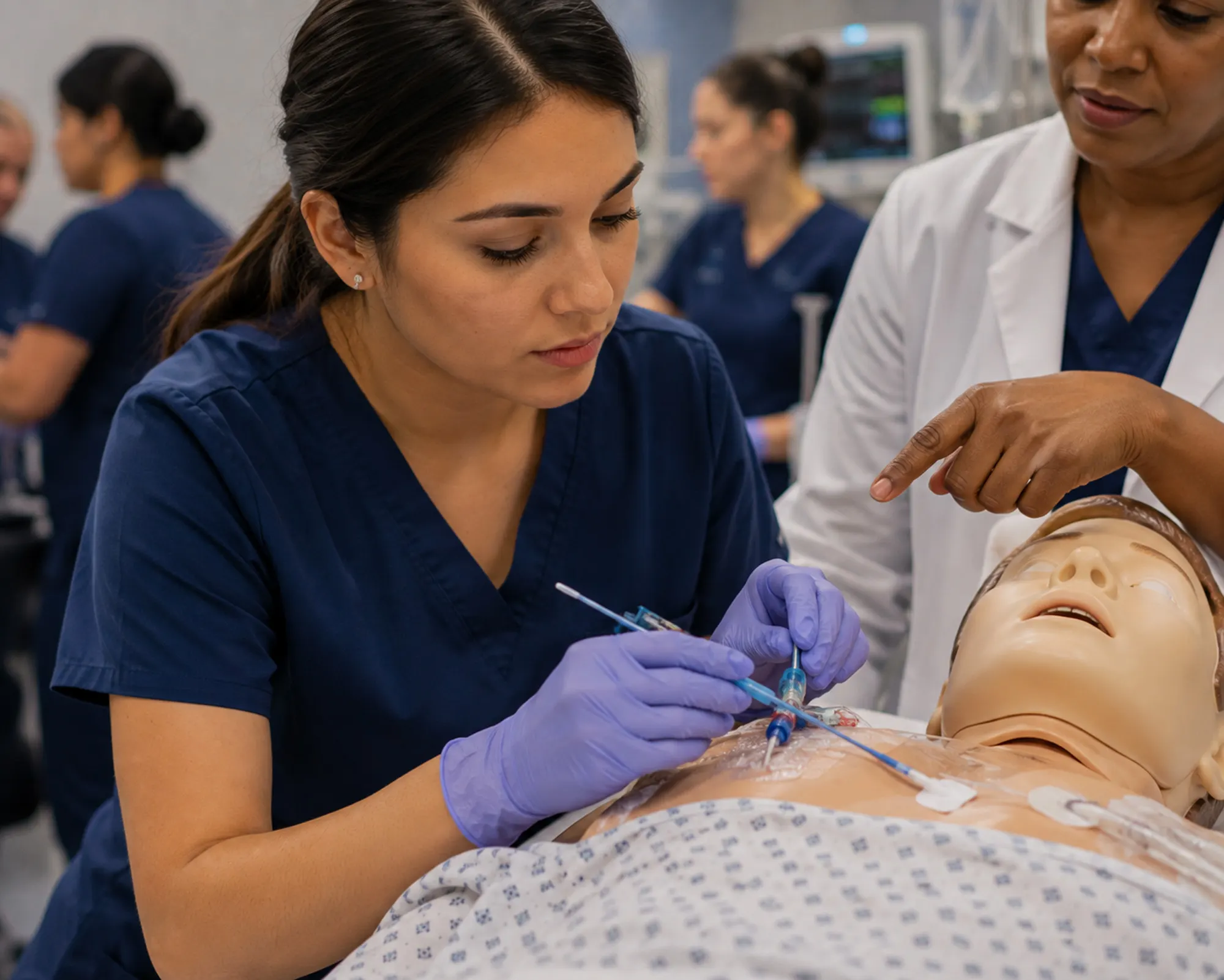
If you are pursuing an eligible Doctor of Nursing Practice specialization, HPSP may provide scholarship support under the current terms. Eligible pathways include Certified Registered Nurse Anesthetist, Family Nurse Practitioner, Psychiatric Nurse Practitioner, and Midwife Nurse Practitioner. Each path has its own prerequisites. For the Psychiatric Nurse Practitioner path, you generally need at least one year of medical-surgical nursing experience. For the CRNA path, you need the critical-care experience required by the Council on Accreditation.
You must be a U.S. citizen to pursue this path. The scholarship provides full tuition coverage, a monthly stipend of more than $3,110, and reimbursement for certain academic fees. If selected, you are appointed and commissioned at the grade specified by the program terms while completing your education and required military training.
The Active Duty Service Obligation (ADSO) associated with the HPSP is a three-year commitment. After graduation, you complete the required officer training and enter the Regular Army under the current program terms. You must also submit the required academic worksheet and a nursing-school acceptance letter that documents the course format, start date, anticipated graduation date, and full-time status.
There are specific guidelines regarding online coursework within the program. The nursing program cannot be conducted entirely online, and online courses cannot include clinical or lab components. If a course is available both in person and online, you must select the in-person option. Additionally, the coursework and the educational institution are subject to the consultant’s review and approval.
The program combines advanced nursing education with military training and a future service obligation. Contact Marcus to compare your specialization, experience, school timeline, and commissioning qualifications with the current requirements.
Plan the next step
The process will be shaped around your profession, education, and intended commissioning path.
Share your nursing background, education status, specialty, anticipated start date, and graduation timeline.
Review the academic, professional, medical, specialty-specific, and administrative requirements.
Gather your academic records, nursing credentials, required worksheet, school acceptance letter, references, and supporting documents.
Complete the required medical screening, administrative processing, professional review, and interviews.
Review the scholarship benefits, education requirements, appointment details, officer training, and service obligation before accepting.
Watch and learn
A direct conversation is the fastest way to identify which information applies to you.