Army medical education and training pathways serve different audiences, from enlisted Soldiers pursuing a nursing commission to healthcare professionals entering advanced clinical or graduate programs. This page groups the pathways that are primarily about completing a degree, developing a specialty, or progressing through structured professional training.
Program availability, selection standards, timelines, and service obligations can change by component and selection cycle. Use these descriptions as an overview. When you identify a relevant path, contact Marcus to compare your background with the current requirements before making an education or career decision.
AMEDD Enlisted Commissioning Program (AECP)
- For eligible enlisted Soldiers
- Full-time BSN pathway
- Remain on active duty
- Army Nurse Corps commission
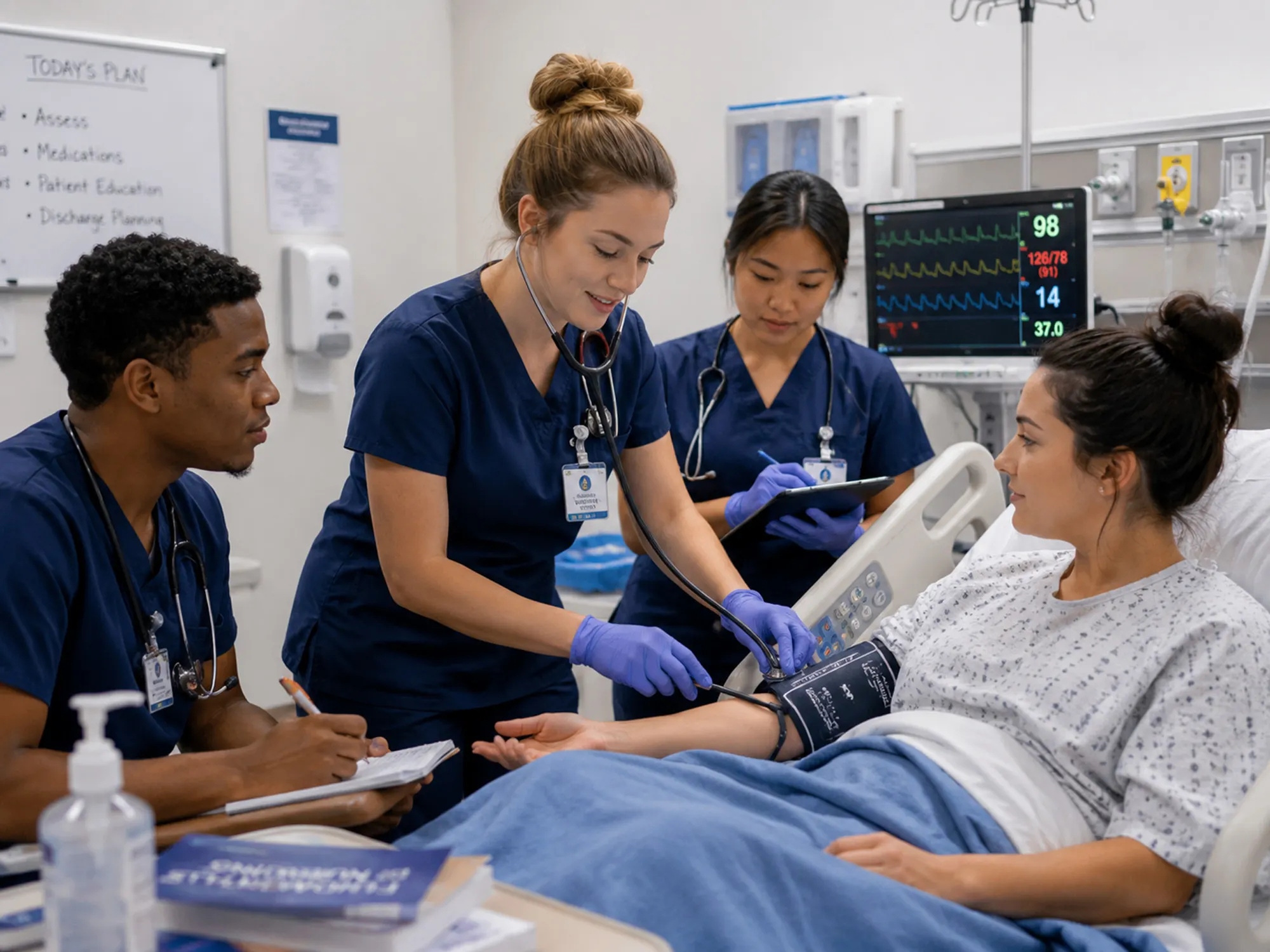
AECP gives eligible enlisted Soldiers an in-service route to complete a Bachelor of Science in Nursing, become registered nurses, and commission into the Army Nurse Corps. Selected Soldiers remain on active duty and retain their rank, grade, pay, and military benefits while attending an approved full-time nursing program.
AECP is a competitive commissioning program rather than a general tuition benefit. To pursue this path, you must meet the Soldier-level requirements, gain admission to a qualifying nursing school, complete the current application packet, and satisfy the standards for that selection cycle. If selected, you must graduate, pass the NCLEX, complete officer training, and move into an Army Nurse Corps assignment.
Critical Care Nurse Student Program
- Army Nurse Corps
- Critical-care specialization
- Clinical experience required
- Career progression
The Critical Care Nurse Student Program provides a pathway for qualified Army Nurse Corps officers to move from medical-surgical nursing into the 66S critical-care specialty. It is designed for nurses who already have a strong inpatient clinical foundation and are ready for advanced preparation in complex patient care.
You will generally need substantial medical-surgical experience in settings such as inpatient units, progressive-care units, or step-down intensive-care environments. Completing the program supports progression into critical-care assignments where you may manage high-acuity patients in military treatment facilities and operational settings.
Clinical Psychology Internship Program
- Doctoral psychology internship
- Military treatment facilities
- Path toward licensure
- Active-duty commitment
The Army Clinical Psychology Internship Program provides intensive supervised clinical experience for qualifying doctoral psychology students. During the internship, you train in military medical environments and encounter behavioral-health, assessment, consultation, and treatment responsibilities relevant to Soldiers and military families.
Selection is competitive and depends on your academic standing, doctoral-program requirements, application materials, and the current internship cycle. If selected, you enter an Army pathway with professional responsibilities and must fulfill the active-duty obligation in your agreement after completing the internship and applicable licensure requirements.
Anesthesia Nursing Doctor of Nursing Practice
- Advanced nursing education
- Doctor of Nursing Practice
- Nurse-anesthesia preparation
- Active-duty pathway
The Army-Baylor anesthesia nursing pathway prepares selected nurses for advanced practice as nurse anesthetists. The doctoral curriculum combines graduate-level academic work with intensive clinical preparation for anesthesia care in military and civilian-equivalent healthcare environments.
You will generally need qualifying nursing credentials, critical-care experience, and the academic and professional requirements established for the current cohort. If selected, you serve on active duty during the program and incur the service obligation associated with completing the degree and required credentialing.
Army-Baylor Doctor of Physical Therapy
- Doctor of Physical Therapy
- Baylor University
- Academic and clinical phases
- Active-duty pathway
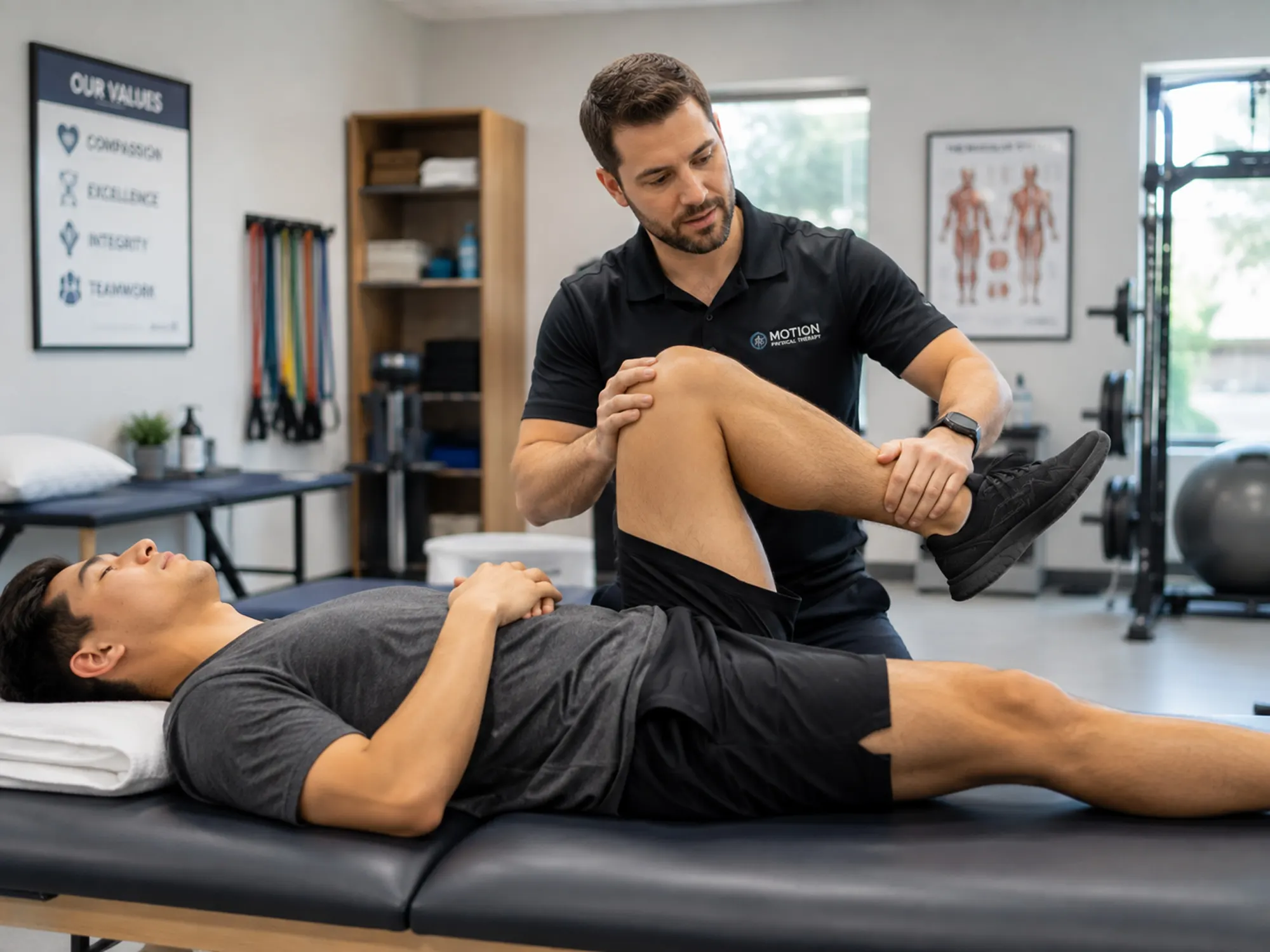
The Army-Baylor Doctor of Physical Therapy program prepares selected students to become military physical therapists. The program combines graduate coursework with supervised clinical training at military treatment facilities and is designed around the rehabilitation, performance, and readiness needs of the force.
Admission is competitive and may include undergraduate prerequisites, academic-performance standards, testing requirements, and commissioning qualifications. If selected, you must complete the degree, meet the licensure requirements, and fulfill the active-duty service obligation associated with the program.
Army-Baylor Master’s Program in Nutrition
- Graduate nutrition education
- Baylor University
- Supervised professional training
- Active-duty pathway
The Army-Baylor nutrition program prepares selected students for professional practice in military nutrition and dietetics. The integrated graduate curriculum combines advanced nutrition education with supervised experiences relevant to clinical care, performance, readiness, and population health.
You must meet the education, academic, application, and commissioning standards established for the current class. After graduation, you must complete the applicable dietetics credentialing requirements and serve in a Medical Specialist Corps assignment under the service obligation associated with the program.
Army Master of Social Work Program
- Graduate social-work education
- Military behavioral health
- Commissioning pathway
- Follow-on internship
The Army Master of Social Work program provides a graduate-education pathway for selected civilians, officers, and enlisted personnel preparing to serve as Army social workers. The curriculum develops clinical, behavioral-health, policy, leadership, and military social-work capabilities needed to support Soldiers and families.
You must meet the current academic, prerequisite, admissions, and commissioning requirements. Selection for the Army program and admission to the partner university are separate decisions. After graduation, you normally continue into supervised Army social-work training before independent practice.
Army-Baylor Occupational Therapy Doctorate
- Doctor of Occupational Therapy
- Baylor University
- Academic, fieldwork, and capstone phases
- Active-duty pathway
The Army-Baylor Occupational Therapy Doctorate prepares selected students to become occupational therapists in military healthcare. The program integrates doctoral coursework, clinical fieldwork, and a capstone experience focused on helping patients restore function, adapt to injury, and return to meaningful activity.
You must satisfy the current centralized application, prerequisite, academic, observation, and commissioning standards. If selected, you serve on active duty during the program, complete the required fieldwork, meet the professional credentialing requirements, and incur the service obligation specified in your agreement.
Social Work Internship Program (SWIP)
- Supervised clinical practice
- Military social-work rotations
- Preparation for independent practice
- Active-duty commitment
SWIP provides structured supervised practice for qualifying Army social workers transitioning from graduate education into independent military social-work roles. During SWIP, you may rotate through behavioral health, addiction medicine, family advocacy, embedded behavioral health, medical social work, and other Army practice settings.
You must meet the education, examination, licensing, academic, and commissioning qualifications established for the current cycle. If selected, you complete the internship under Army supervision and fulfill the active-duty obligation in your accession or training agreement.
Get guidance for your specific path
A direct conversation is the fastest way to identify which information applies to you.