Direct commission
Veterinary Corps
Explore Army Veterinary Corps careers, including veterinary specialties, qualifications, programs, and incentives.
Corps overview
Serving in the Veterinary Corps
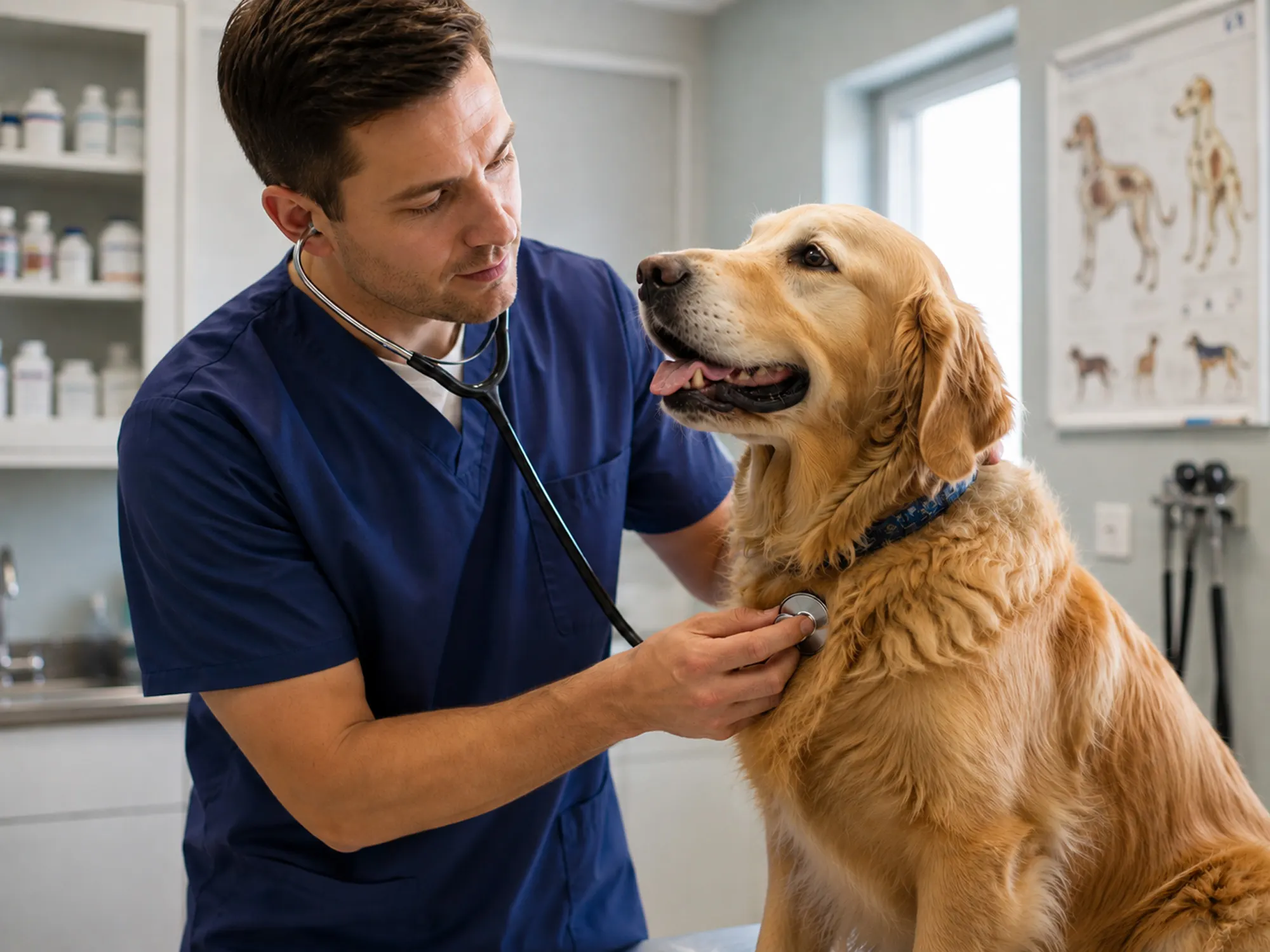
The Army Veterinary Corps includes commissioned veterinarians who support animal health, food protection, public health, research, and Army readiness. Responsibilities may include caring for military working animals, supporting food-safety missions, contributing to public-health programs, and serving in clinical, field, or research settings.
Your responsibilities and assignment options depend on your veterinary education, license, accreditation, specialty, Army component, and current needs.
As you explore this path, compare your veterinary background with the current Veterinary Corps qualifications. Marcus can help you identify the relevant route and explain the next step in the application or commissioning process.
Specialty directory
Specialties and areas of concentration
Review Army Veterinary Corps areas of concentration and specialty paths available through AMEDD service.
Veterinary Preventive Medicine Officer
Veterinary Laboratory Animal Medicine
Veterinary Pathologist
Veterinary Biomedical Scientist
Veterinary Clinical Medicine Officer
Who may qualify
Veterinary Corps qualifications
Review the general qualifications for veterinarians interested in serving as U.S. Army Veterinary Corps officers.
Review the general qualifications for the Regular Army or Army Reserve before beginning a Veterinary Corps application.
For the Regular Army, you generally need U.S. citizenship. The Army Reserve may accept permanent residents.
Practicing veterinarians must hold the required veterinary degree, license, and accreditation.
Additional certification requirements may apply if you graduated from a non-accredited international veterinary school.
If you are in veterinary school, your application timing depends on your year of study and the pathway you are pursuing.
HPSP and ROTC educational-delay options follow separate requirements and timelines.
Additional qualifications may apply to your intended Veterinary Corps role, specialty, or Army component.
Contact Marcus to compare these general requirements with your veterinary education, license status, accreditation, and career goals.
Professional support
Veterinary Corps programs and incentives
Explore Army Veterinary Corps programs, incentives, and financial-support options for eligible veterinarians and students.
HPSP
The Health Professions Scholarship Program may provide eligible veterinary students with up to three years of tuition coverage, a monthly stipend, and reimbursement for certain required academic expenses.
ADHPLRP
The Active Duty Health Professions Loan Repayment Program may help eligible active-duty veterinarians repay qualifying education loans.
RCHPLRP
The Reserve Component Health Professional Loan Repayment Program may help eligible Army Reserve veterinarians repay qualifying education loans.
Board Certification Pay
Eligible veterinarians who earn and maintain qualifying board certification may receive additional pay.
Incentive Pay
Qualified Veterinary Corps officers may receive incentive pay based on professional education, credentials, eligibility, and applicable program terms.
Accession Bonus
Eligible veterinarians may qualify for an Active Duty or Army Reserve accession bonus based on the associated service commitment.
Watch and learn
See the path in practice
Discuss Veterinary Corps opportunities
A direct conversation is the fastest way to identify which information applies to you.